
flat roof glass panels
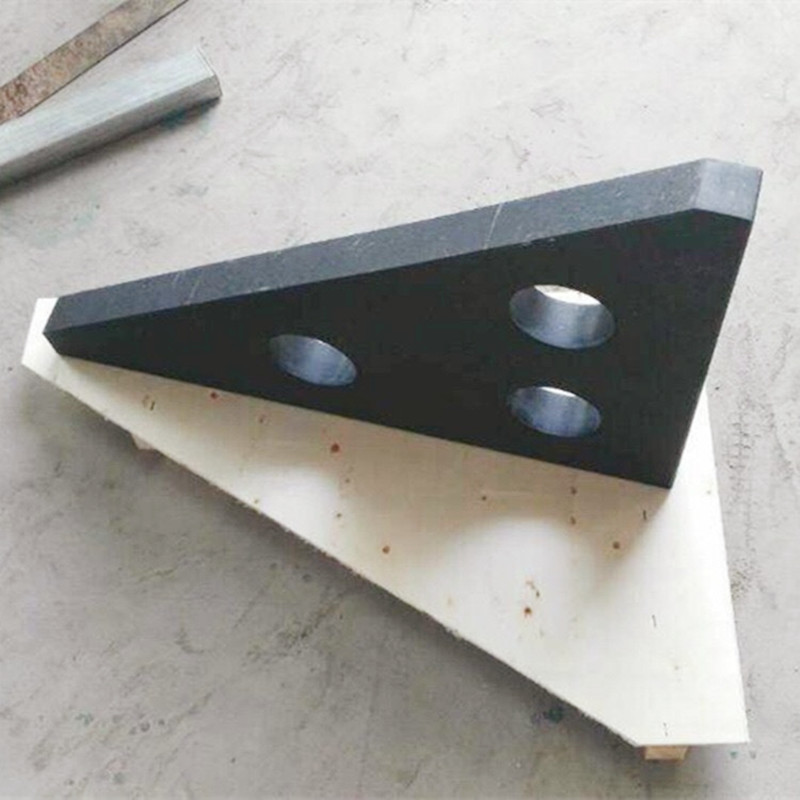
The square marble box , alongside its variants such as marble box, granite box, small marble box, and large marble box, plays a crucial role in industrial measurement, calibration, and assembly environments. Engineered for exceptional flatness, precision, and durability, these products are foundational in verticality checks, component alignment, and high-precision assembly across petrochemical, metallurgical, water supply, aerospace, and machinery manufacturing industries. This article explores square marble box industry trends, technical parameters, manufacturing processes, application scenarios, technical advantages, supplier comparison, customization, customer use cases, and authoritative third-party standards. 1. Industry Trends and Market Overview According to Grand View Research , the global precision measuring equipment market (which includes square marble boxes and granite boxes) exceeded $11.9 billion in 2023 and is projected for a CAGR of 6.5% to 2030. The growing demand is driven by: Rise of high-precision machining and robotic assembly. Stringent quality controls (ISO/ANSI/GB) in aerospace, automotive, and energy sectors. Increased need for customized calibration platforms and enhanced metrology standards. Advancements in casting, CNC processing, and anti-corrosive treatments have enabled the development of robust and reliable square marble boxes tailored for diverse engineering challenges. 2. Technical Specifications of Square Marble Box, Granite Box, Small & Large Marble Box The following table demonstrates the typical technical parameters among leading products in this field: Parameter Square Marble Box Granite Box Small Marble Box Large Marble Box Material High-grade marble/iron High-density granite Marble Marble Length (mm) 100–1500 150–2000 100–300 1000–2000 Width (mm) 100–1000 150–1200 100–300 500–1200 Height (mm) 50–600 75–700 50–100 150–600 Flatness (μm) <5–10 <3–6 <5–10 <10 Compressive Strength (MPa) 80–100 180–220 80–100 80–100 Surface Treatment Precision hand scraping/CNC milling Diamond lapping Fine lapping Scraping/lapping Weight (kg) 10–2000 15–3000 5–30 200–3000 Industry Usage Machining, assembly, calibration Labs, metrology, precision fixing Electronics, watchmaking Heavy assembly, energy, aviation Durability (years) ≥30 ≥50 ≥20 ≥35 Certifications ISO/ANSI/GB ISO/GB ISO ISO/GB 3. In-depth Product Review: Cast Iron Square Box Overview: The Cast Iron Square Box from STR Machinery is a high-precision, heavy-duty measurement fixture widely favored in verticality and parallelism checking, workpiece inspection, and mechanical assembly calibration. It is engineered from premium-grade cast iron, ensuring exceptional strength and dimensional stability under heavy industrial loads. Key Technical Features: Material: HT200/HT250 Cast iron, stress relieved for internal stability Manufacturing Process: Sand casting, rough & precision CNC machining, hand scraping Flatness Tolerance: DIN876 Grade 1-2 (<5μm—10μm/meter as per ISO) Compressive Strength: ≥210 MPa Hardness: 170–240 HB Squareness/Parallelism: ±0.005mm–±0.01mm/m Surface Finish: Ra<1.5μm Corrosion Resistance: Special anti-rust coating Standard Size Range: 200×200×200mm up to 1500×1200×600mm Certification: ISO9001, Third-party metrology test report Technical Note: Each square marble box from STR Machinery is calibrated and certified for traceability under ISO/IEC 17025 and ANSI/ASME B89.3.7-2013 standards, supporting global export and engineering acceptance. 4. Square Marble Box Manufacturing Flow (Visual Guide) Step 1: Raw Material Selection Natural marble/iron (with geological aging) or fine granite blocks selected per ISO5755/ GB/T20428 . → Step 2: Rough Shaping Cut and mill blocks—removal of surface impurities, initial forming. → Step 3: Precision Machining CNC milling, grinding, lapping (±0.01mm accuracy). → Step 4: Fine Surface Treatment Hand scraping, diamond lapping, anti-corrosion application. → Step 5: Final Inspection CMM measurement, laser interferometer test (flatness, squareness). → Step 6: Certification & Shipping ISO, ANSI, GB certificate, custom logo, safe packing. Tip: For a video walkthrough of the manufacturing process, see this example . 5. Application Scenarios & Technical Advantages Application Sectors: Petrochemical: Calibrating pipeline fixture alignments, reducing leakage ( square marble box certified to anti-corrosion ISO standards). Metallurgy: Checking verticality of large press frames, rollers—improved dimensional stability under vibration & high-temp. Water Supply/Drainage: Aligning valve installation, reducing assembly defects by up to 30% (Source: Journal of Manufacturing Science & Engineering ). Aerospace: Satellite bracket assembly, precision test benches. Laboratories: Stable metrological base for coordinate measuring machines (CMM). Machinery: Reference testing for gearboxes, drives, and powertrains. Performance Analysis: STR's square marble box helps achieve measurement repeatability improvement of up to 25% vs. standard aluminum bases in industrial trials, with 3× longer corrosion-free lifetime vs. steel or alternate alloys. 6. Data Visualization: Cast Iron Square Box vs. Granite Box Comparison of key technical indicators based on recent product testing (certified third-party metrology lab, 2023): Application Distribution of Square Marble Box, 2023 Survey 7. Why STR Machinery’s Square Marble Box Is the Right Choice Exceptional Precision: Consistently meets ISO/DIN876 flatness grades; certified squareness reduces cumulative measurement errors. Unmatched Durability: >30 years verified service life. Resists wear, impact, chemical attack via proprietary surface treatment. Robust Certification: Every unit supplied with ISO 9001, factory calibration, third-party metrology report (traceable to NIM China or international labs). Custom Engineering: CNC-based design adapts to any custom slot, hole, threading, or marking. Turnkey Service: From solution consulting, CAD drawing confirmation, to on-site installation and training. Competitive Pricing: Factory direct. 20% cost saving vs. European imports in latest market survey. Industry Benchmark: STR Machinery is ranked Top 5 in China for square and marble box export volumes (2023, China Customs data); Trusted vendor to over 1,200 customers worldwide, including Siemens, GE, BOMAG, and major metallurgical plants . 8. Supplier Comparison Table: STR Machinery vs. International Competitors Aspect STR Machinery (China) Mitutoyo (Japan) Rockford (USA) European Brand Certifications ISO9001, ISO14001, GB/T20428 JIS, ISO, NIST ASME, ISO, ANSI DIN, ISO, CE Product Range Marble, granite, cast iron boxes (custom and standard) Granite boxes only Cast iron, granite (limited custom) Marble and granite Custom Options Fully CNC, slots, holes, marking, logo Minimal Partial Standard sizes only Lead Time (days) 7–28 21–60 14–45 20–45 Export Support Door-to-door, global project service Factory delivery Some overseas EU only Warranty (years) ≥5 (structure), lifetime support 2 3 2–3 Typical Price Index 100 170 130 155 9. Customization Solutions, Delivery, and Support Custom Options: Shape/size per CAD or user drawing, up to 2000mm Optional ground grooves, T-slots, removable hoisting rings, custom inscriptions/markings Surface roughness, flatness grade selection (DIN, ISO, or ANSI compatible) Non-standard finishes and colors available Delivery Time: Standard sizes: 7–14 days Custom sizes: 15–28 days (depending on complexity & quantity) Warranty & Quality Commitment: ≥5 years structural warranty/defect-free assurance Lifetime technical support, on-site or online Free metrology certificate issued per order Returns/exchange support per terms 10. Application Case Studies & User Experience Case 1: Metallurgical Manufacturing Plant (Europe) Deployed 3 units of 1200×1000×500mm square marble box for heavy press vertical calibration. After 12 months, flatness maintained <6μm deviation; assembly downtime dropped by 18% compared to previous stainless-steel fixtures. Clients noted easy fixture swapping via integrated lift rings and rapid maintenance. Case 2: Aerospace Component Lab (China) Custom 500×400×300mm granite and cast-iron combo box for CMM reference. Measurement repeatability improved by 27% vs. alumina ceramic solution. Box displayed no corrosion after 2 years in humid, temperature-fluctuating environment (lab humidity 87%, 500h salt spray test passed). Case 3: Water Supply Equipment Company (Middle East) Used Cast Iron Square Box for pipe valve installation alignment, cutting field error rate from 6.7% to 1.8%. Operator feedback praised simple setup and precision documentation delivered with each batch. What Customers Say: “Switching to STR’s square marble box eliminated our calibration drift. Customer service was responsive and certificate traceability exceeded our QA requirements. Highly recommended!” – Senior QA, European Forging Plant 11. Professional FAQ – Square Marble Box Technical Terms Q1: What’s the significance of “flatness tolerance” and how is it tested? Flatness tolerance defines the allowable deviation in surface plane (μm – microns). STR uses certified CMM and interferometer (per ISO/IEC 17025) to ensure square marble box surfaces meet DIN 876 standards. Q2: Which materials are commonly used in square marble box and why? Most square marble box units use premium natural marble (low thermal expansion, high compressive strength) or grey cast iron (HT200/HT250) for high rigidity and vibration damping. Granite is also common for ultra-stable metrology. Q3: What installation and handling standards should be followed? Install per GB/T20428-2006 or customer drawing; support on leveled pads, avoid point contact, and use certified hoisting rings for >150kg boxes. Recalibrate every 1–2 years or after heavy impact. Q4: How is “squareness” verified between faces of the marble box? Squareness (perpendicularity) is checked using certified try squares or autocollimators; STR ensures up to ±0.005mm/m accuracy as documented in the supplied metrology report. Q5: What surface treatment options are available? Standard boxes receive oil-based anti-rust treatment; optional phosphate, paint, or anti-static coatings available per client need (impacting resistance to water/chemicals). Q6: What’s the typical delivery cycle and export support offered? Standard square marble box models: 7–14 days; custom: 15–28 days. STR provides worldwide DDP/DDU shipping, export documents, and telephone/email tech support for installation. Q7: How is warranty and after-sales service handled? Each STR square marble box comes with ≥5 years structural warranty, lifetime technical consultation, and factory recalibration service (at cost after warranty). Ready to upgrade your industrial measurement standard? Request a quote or consultation on your next square marble box today! References & Further Reading Grand View Research, “Precision Measuring Equipment Market Size 2023–2030” Link ISO 876: “Cast iron and stone surface plates — accuracy and specification” Link ScienceDirect, “Experimental Verification of Calibration Platforms” Link Mitutoyo Technical Journal, “Quality and Flatness of Granite & Marble Metrology Bases” Link China Machinery Industry Forum, “Customized Cast Iron Box Applications” Link National Institute of Metrology (NIM), “Calibration Standards Reference” Link
about
flat roof glass panels
Replacing a Water Valve A Step-by-Step Guide Water valves are essential components of any plumbing system, controlling the flow of water in and out of various fixtures and appliances. Over time, these valves can wear out, become corroded, or develop leaks, necessitating their replacement. If you find yourself in a situation where you need to replace a water valve, whether it’s for a sink, toilet, or main water line, this guide will provide you with a comprehensive overview of the process, ensuring that you can carry out this task efficiently and safely. Understanding Water Valves Before diving into the replacement process, it’s essential to understand what type of water valve you are dealing with. Common types include gate valves, ball valves, and globe valves. Gate valves are typically used for on/off control and are not ideal for throttling. Ball valves, on the other hand, offer a quick on/off function with minimal flow resistance. Globe valves are mainly used for regulating flow. Identifying your valve type will help you choose the right replacement. Tools and Materials To successfully replace a water valve, gather the following tools and materials - Adjustable wrenches or a set of pipe wrenches - Screwdriver (flathead or Phillips, depending on your valve) - Replacement valve - Plumber’s tape (Teflon tape) - Bucket or towels to catch any residual water - Safety goggles and gloves Steps to Replace a Water Valve 1 . Turn Off the Water Supply Safety is paramount when working with plumbing. Locate the main water shut-off valve in your home, usually found near the water meter. Turn it off by rotating the handle clockwise. If you're replacing a valve for a specific fixture, such as a sink or toilet, you may find individual shut-off valves beneath the fixture. 2. Drain the System Open the faucet or fixture associated with the valve you are replacing to allow any remaining water to drain out of the system. This step is crucial to prevent water from spilling when you remove the valve. replace a water valve 3. Remove the Old Valve Using your adjustable wrenches, carefully loosen and disconnect the old valve from the pipe. If the valve has screws, use your screwdriver to remove them first. Be prepared for some residual water to spill out, so keep your bucket or towels handy. 4. Clean the Threads Once the old valve is removed, inspect the threads on the pipe for any debris or old plumber’s tape. Clean the threads to ensure a good seal with the new valve. Any residue could lead to leaks. 5. Install the New Valve Wrap the threads of the pipe with plumber's tape to ensure a tight seal. Then, attach the new valve by threading it onto the pipe. Make sure it’s oriented correctly, with the handle positioned in a way that makes it easy to operate. Tighten it carefully with your wrench, being cautious not to over-tighten, as this can damage the threads. 6. Check for Leaks Once the new valve is installed, turn the main water supply back on slowly. Look for any signs of leaks around the valve. If you notice any leaking, you may need to tighten it slightly or reapply plumber's tape. 7. Test the Valve Finally, test the new valve by turning it on and off a few times. Make sure it operates smoothly and that water flows without any obstruction. Check for leaks once more after testing. Conclusion Replacing a water valve is a straightforward task that can save you from costly plumbing issues in the future. By following these steps, you can ensure that the valve operates efficiently and securely. Always remember to wear proper safety gear and take your time to do the job correctly. If at any point you feel uncomfortable or unsure, don’t hesitate to consult a professional plumber. Regular maintenance of your plumbing system will not only prolong its life but also ensure the health and safety of your home environment.
-

High quality industrial productsagement

High quality industrial products
View Details -

Meet the diverse needs of customers

Meet the diverse needs of customers
View Details -

Strict quality control

Strict quality control
View Details -

Top raw materials

Top raw materials
View Details -

Trusted supplier

Trusted supplier
View Details
Our application


news and information

y type strainer filter
Understanding Y Type Strainer Filters Importance and Applications In various industrial processes, t

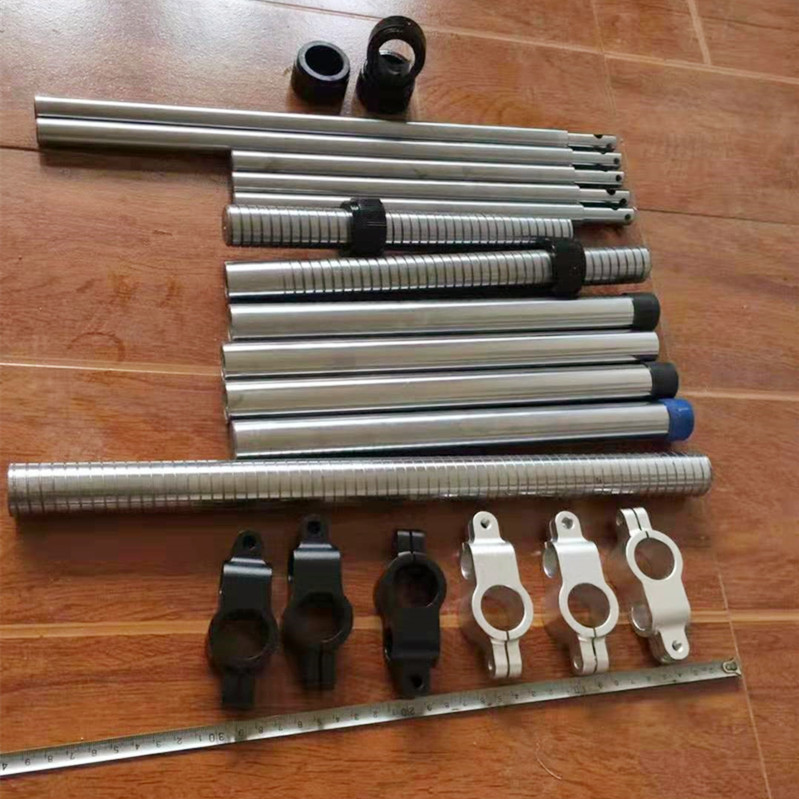
Versatile Welding Table Clamp Set for Secure and Precise Workholding Solutions
The Essential Guide to Welding Table Clamp Kits Welding is both an art and a science, and having the
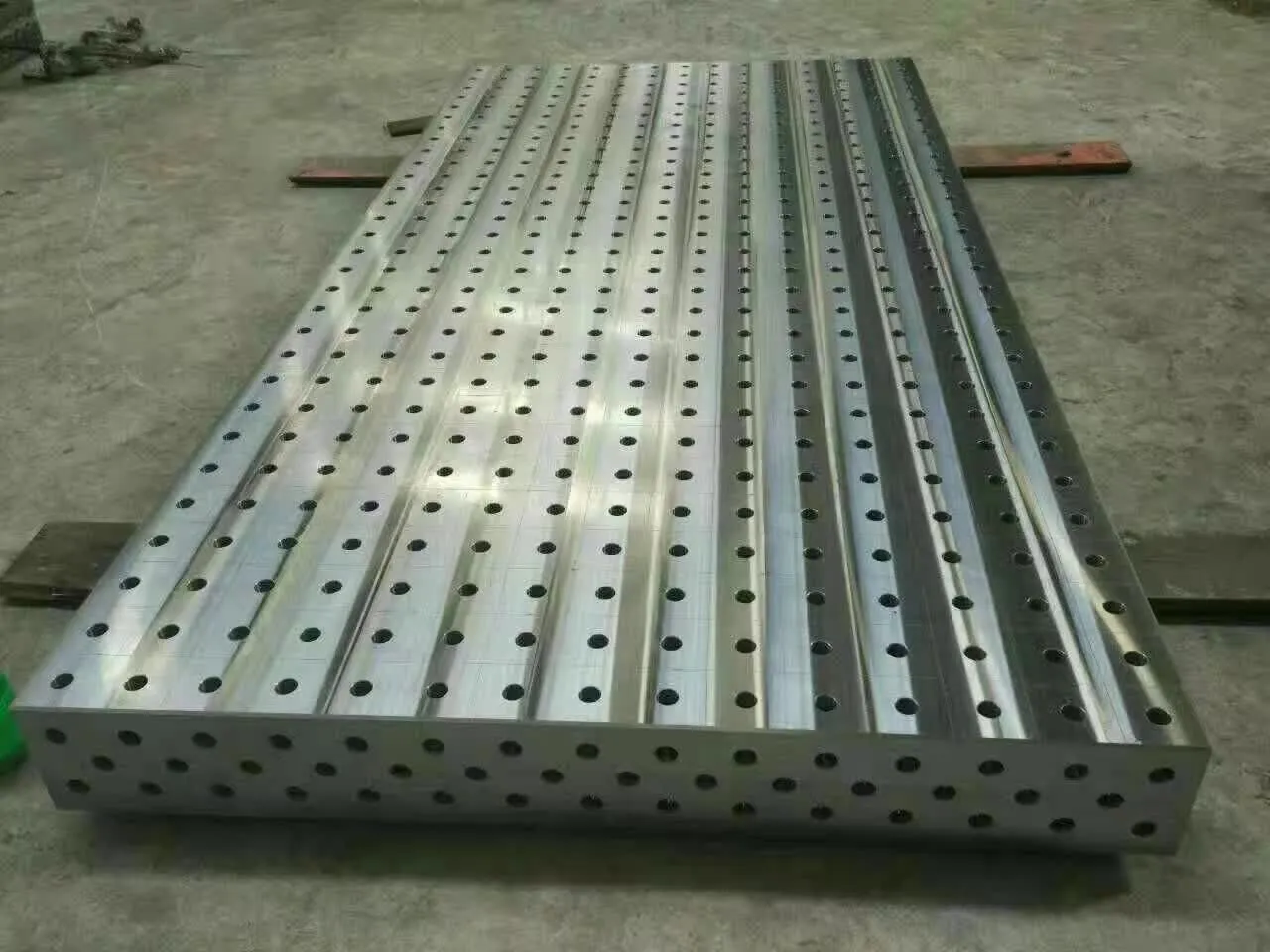
Water Flow Control Device for Efficient Shut-Off and Regulation
Understanding Water Shut-off Valves A Comprehensive Guide Water shut-off valves are essential compon
 English